

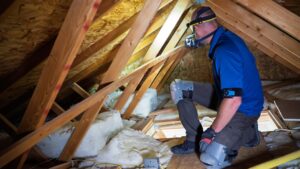
 Attics are frequently overlooked during routine rental property checks. But an attic space may present severe issues that threaten your investment. Due to this, detailed rental inspections that include attic spaces are imperative to help property owners catch hidden damage beforehand, preserve long-term value, and prevent costly repairs at some point. Even if your tenants do not access the attic, the conditions and events occurring in that space are more significant than one might assume!
Why Attic Inspections Should Be a Priority
Property inspections typically emphasize areas of the property that tenants encounter regularly, such as floors, walls, appliances, and plumbing. However, one of the most critical areas of your rental property is the attic, despite being one of the least frequented spaces.
Attics are located directly beneath the roof and above the living areas, serving as a primary barrier against weather, pests, and moisture. Avoiding this area during a rental inspection can enable minor issues to develop into major problems after some time.
Hidden Property Damage Often Begins in the Attic
Many forms of property damage often originate from concealed sources. By the time warning signs are evident, repairs have already become more expensive and disruptive.
Attic spaces are mainly vulnerable to hidden damage that frequently remains undetected until it escalates into a significant issue. These types of damage include:
- Roof Leaks and Water Damage: Even a small roof leak can lead to considerable damage if left undetected over time. Dripping water can bring about damp insulation, deteriorating framing, and more severe consequences. These issues often show up in the attic prior to becoming evident within the interior of the property, usually on ceilings or walls.
- Pest and Wildlife Infestation: Attics commonly involve rodents, birds, raccoons, and insects. Upon finding a way inside, these pests can compromise insulation, gnaw on electrical wiring, and establish additional entry points, exacerbating infestations. Identifying these and other issues promptly can prevent costly extermination and repairs in the future.
- Insulation Problems: Over time, attic insulation can become compressed, uneven, or missing. This is particularly applicable in older or poorly maintained attics. Limited attic insulation produces higher heating and cooling costs and more wear on HVAC systems, which must exert additional effort to maintain a consistent indoor temperature.
- Ventilation and Moisture Concerns: Wrong attic ventilation can lead to the accumulation of heat and moisture, fostering conditions conducive to mold and wood decay. Attic ventilation problems commonly lead to significant long-term structural damage, which property owners frequently do not identify until a later stage.
Due to the gradual development of such issues, performing routine attic inspections represents a prudent preventive step for rental property owners.
Why Tenants Rarely Notice Attic Problems (Until It’s Too Late)
Many tenants do not access the attic of their rental property, whether because there is no need or their rental agreement restricts access altogether. In such instances, problems may arise undetected for extended periods, potentially lasting months or even years. By the time tenants report stale odors, high utility bills, ceiling stains, or other visible indicators of damage, the issue may have already become significant.
Thus, your optimal approach is to include attic spaces in your regular property inspections. Regardless of what your inspections uncover, preventative maintenance typically proves to be more economical than emergency repairs.
When and How Should Rental Attics Be Inspected?
Most professionals recommend inspecting rental attics:
- Annually, at a minimum.
- After severe weather events, and
- During routine property evaluations or turnovers.
During your property inspection, ensure that all areas of the space are examined comprehensively. Signs of trouble include things like:
- Rusty nails
- Condensation
- Mold
- Insufficient or absent insulation
- Water stains
- Dripping water
- Rodent excrement
- Nesting materials include leaves, grass, and similar substances.
- Additional indicators of insect or pest presence
It’s also prudent to utilize a thermal imaging device to check for air leaks and to inspect the attic on a rainy day to identify any water leaking through the roof.
Your Secret Weapon: A Professional Property Manager
Attic inspections, although not inherently complex, necessitate a significant investment of time and a degree of expertise to ensure accuracy in execution. Engaging an experienced property management company is important for ensuring your attic and other property inspections are performed thoroughly, securely, and documented appropriately. Professional property managers are equipped to identify early warning signs and effectively address issues prior to escalation.
At Real Property Management Performance, we prioritize exhaustive property inspections that give you assurance that no hidden problems are threatening your rental property in Red Bank. Ready to discover how we help property owners stay ahead of pricey repairs and protect their investments? Contact us online or call 732-289-9337.
This content is provided for general informational and educational purposes only and does not constitute financial, legal, tax, or investment advice. Readers should consult with licensed professionals regarding their specific circumstances.
We are pledged to the letter and spirit of U.S. policy for the achievement of equal housing opportunity throughout the Nation. See Equal Housing Opportunity Statement for more information.
